
What window coverings work best to keep my house cool in the summer?
Explore how window coverings can help manage summer sunlight, glare and comfort in your home.
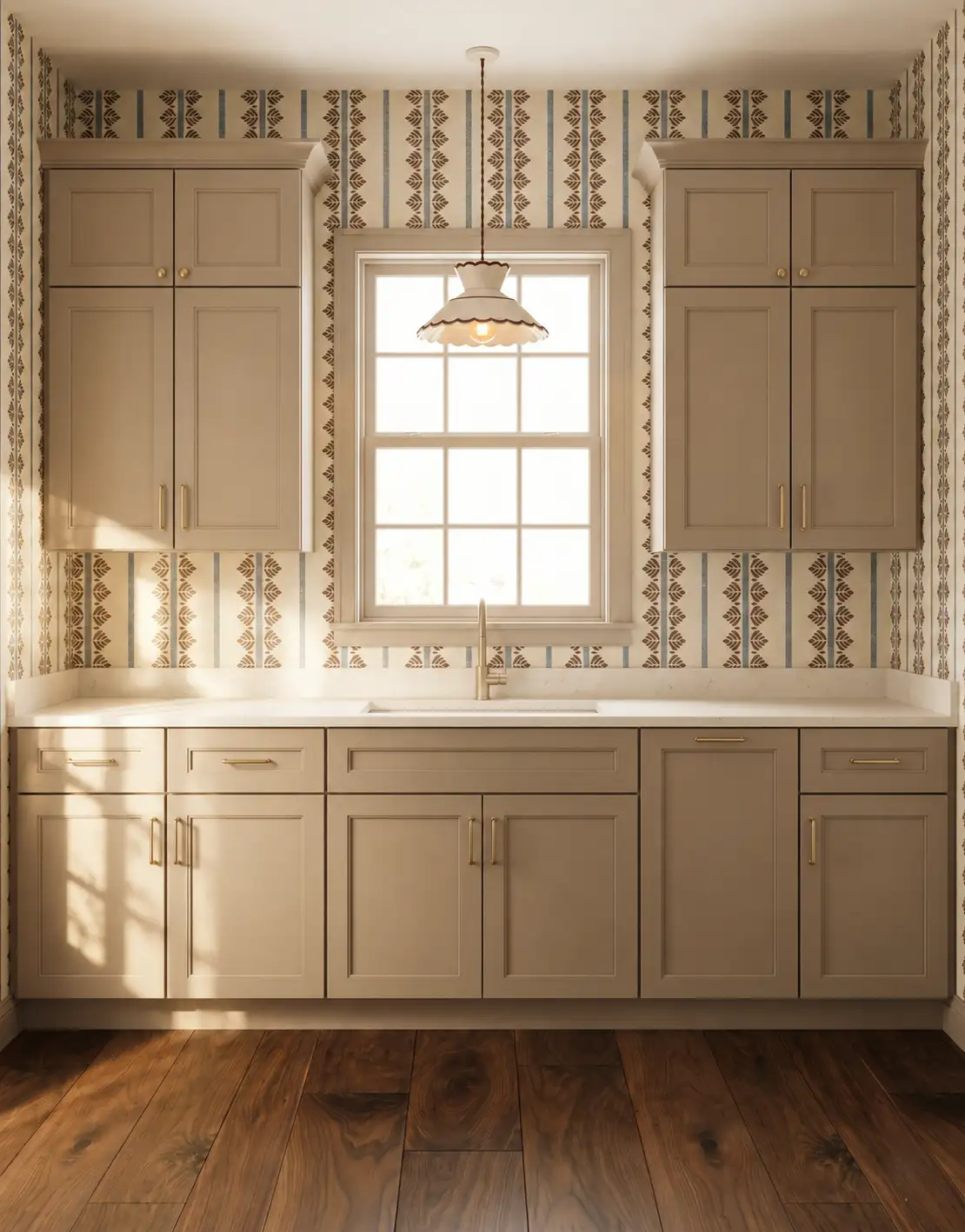
AI-generated design concepts from Anna’s approved inspiration library. Images illustrate color, proportion and finish relationships; they are not completed customer projects or exact manufacturer products. Decorative items and uncovered windows are styling examples, not a product-stock list.
1. Record when the sun arrives
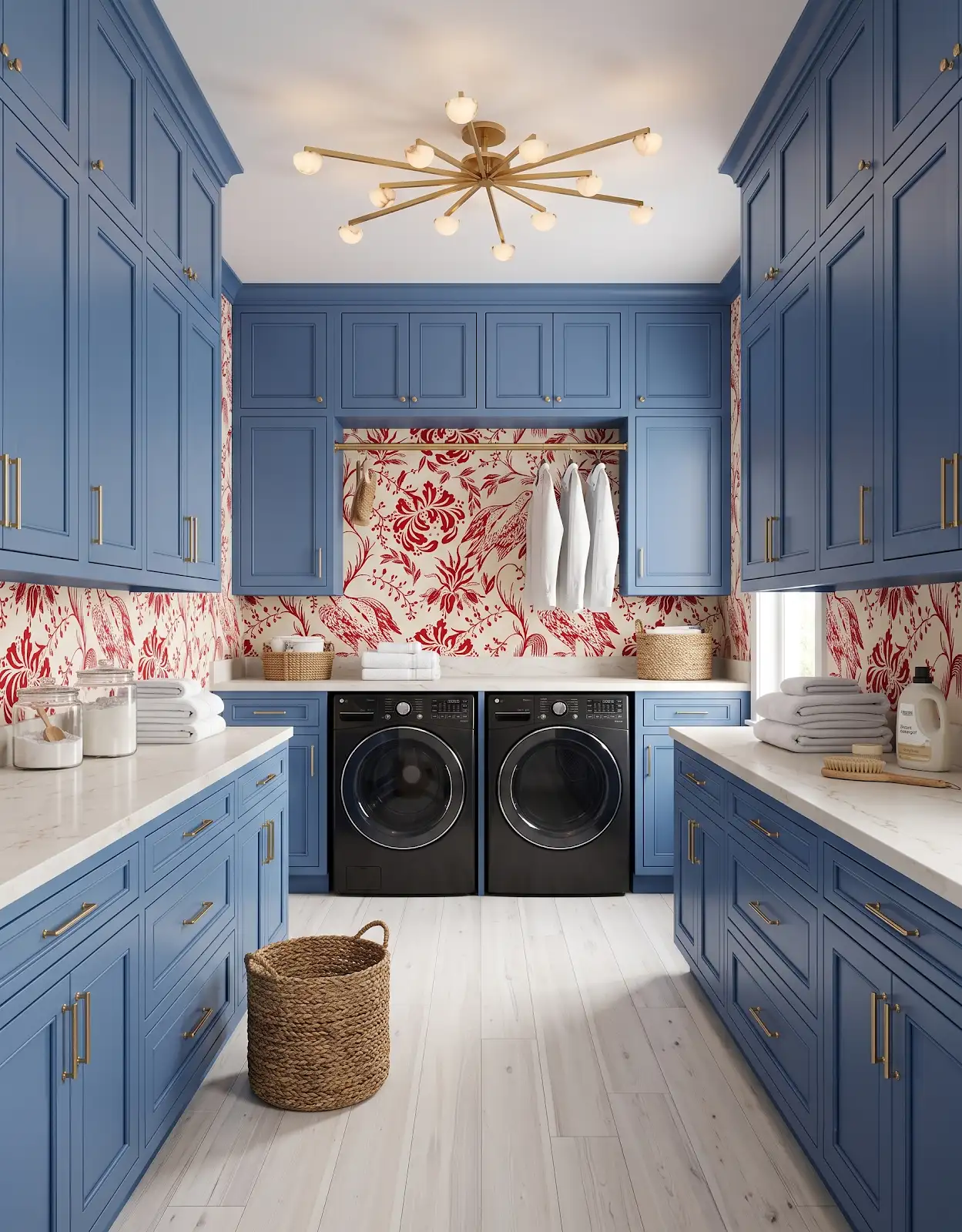
List the windows that receive uncomfortable direct sun and the times it happens. Include where people sit and work. That room-specific information is more useful for a covering conversation than assuming every opening in the house needs the same treatment.
2. Distinguish glare from heat concerns
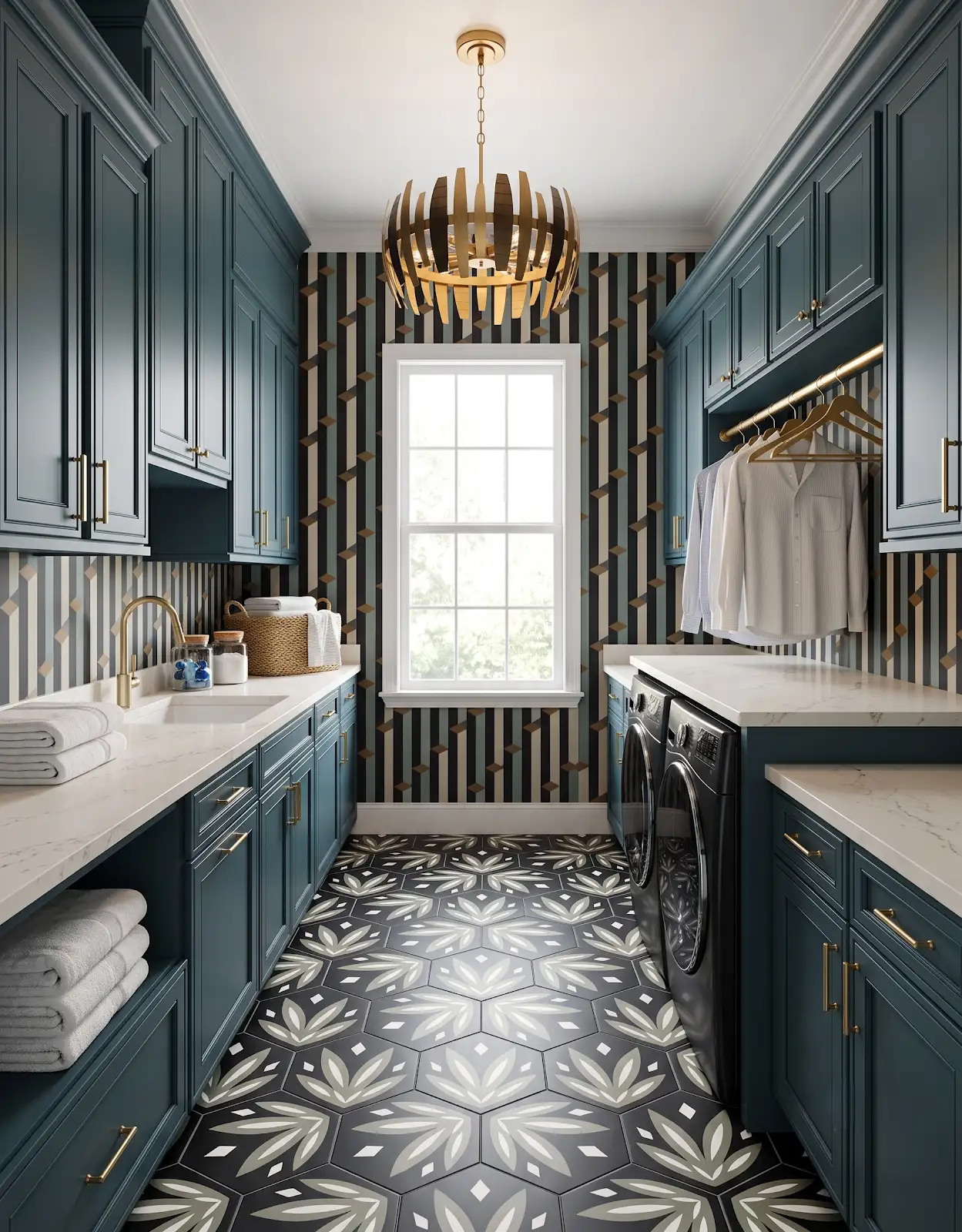
Describe whether the main issue is a bright screen, uncomfortable sun or a room that becomes warm. Those concerns overlap but are not identical. A covering selected for one purpose should still be reviewed against the other needs of the room.
3. Explore cellular shade options
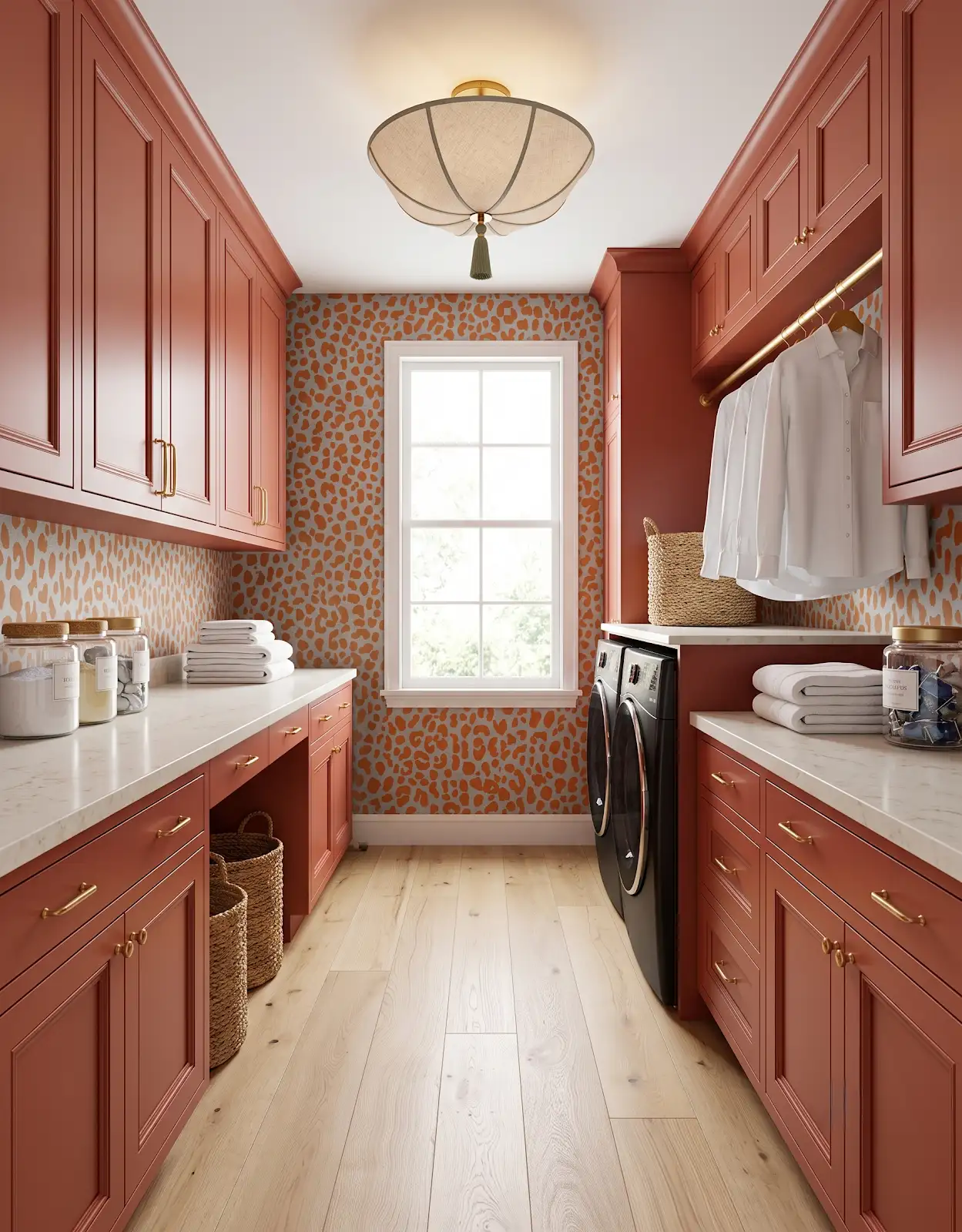
Cellular shades are one category worth discussing for insulating performance. Results depend on the actual product, window and use. Review manufacturer information and relevant ratings rather than assuming every shade with a similar appearance will produce the same comfort or energy result.
4. Compare adjustable light control
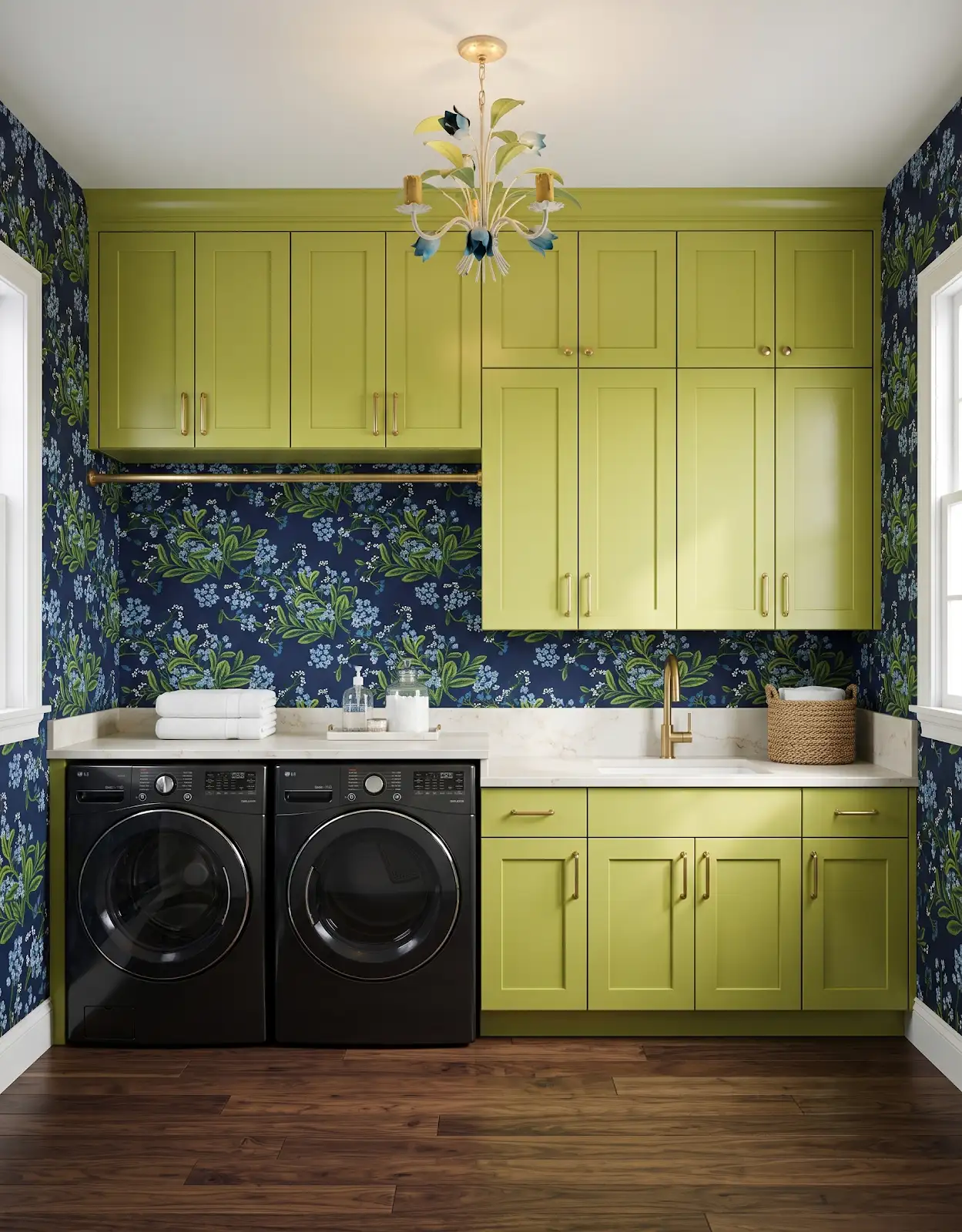
Discuss whether you want to redirect light, filter it or darken the room more fully. Consider how the covering will be operated during the day. The useful option is one whose control suits your routine, not simply the treatment used in a reference image.
5. Keep the view in the discussion
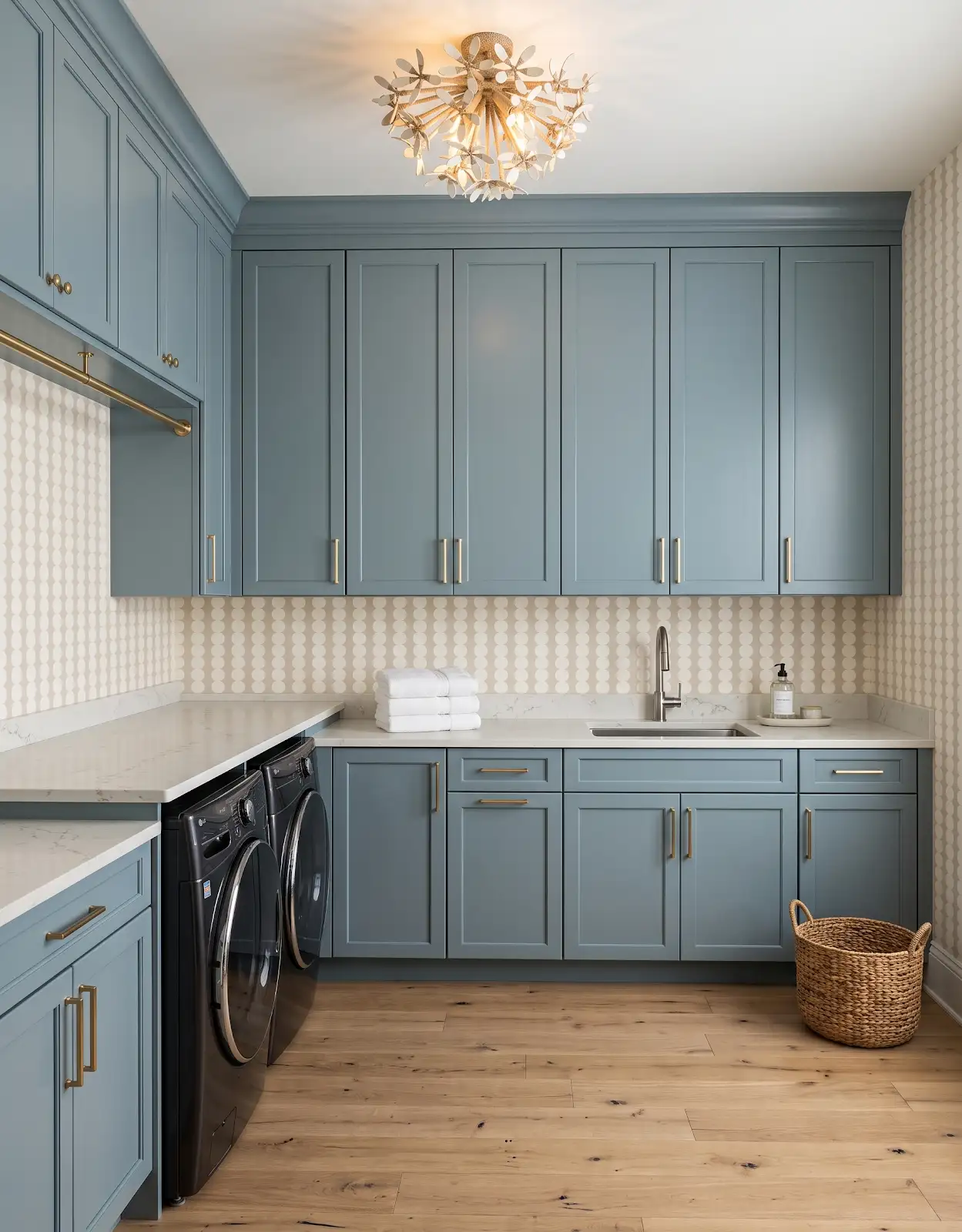
Decide which views you want to preserve and when. A room may need stronger control in the afternoon and more openness at other times. Explain that pattern during the selection conversation so the proposed covering can be evaluated around actual use.
6. Include nighttime privacy
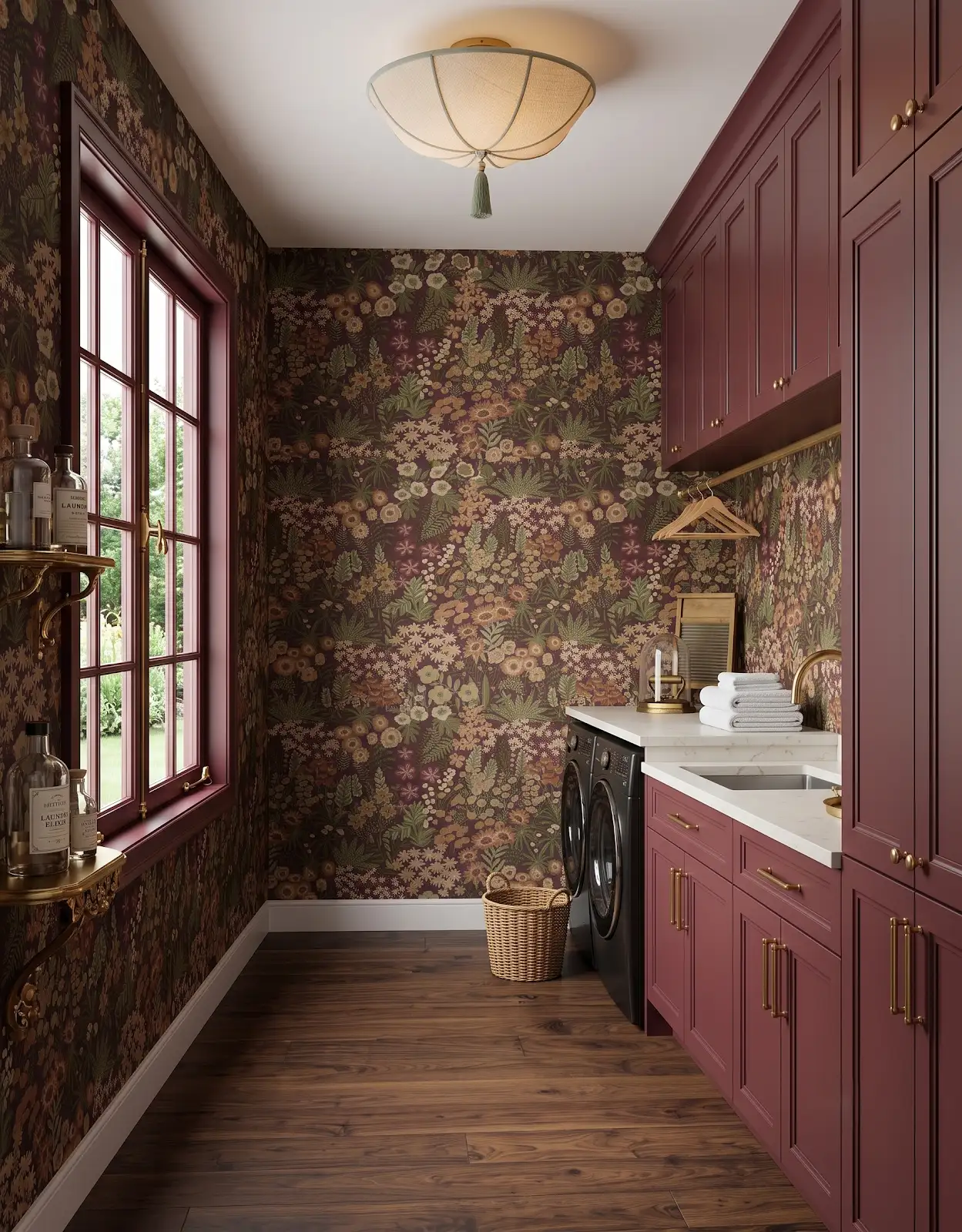
Review privacy separately from daytime sun control. Describe neighboring windows and street sightlines. Ask how the proposed product behaves under different lighting conditions instead of assuming a covering that softens daylight will provide the privacy you want after sunset.
7. Check the whole opening
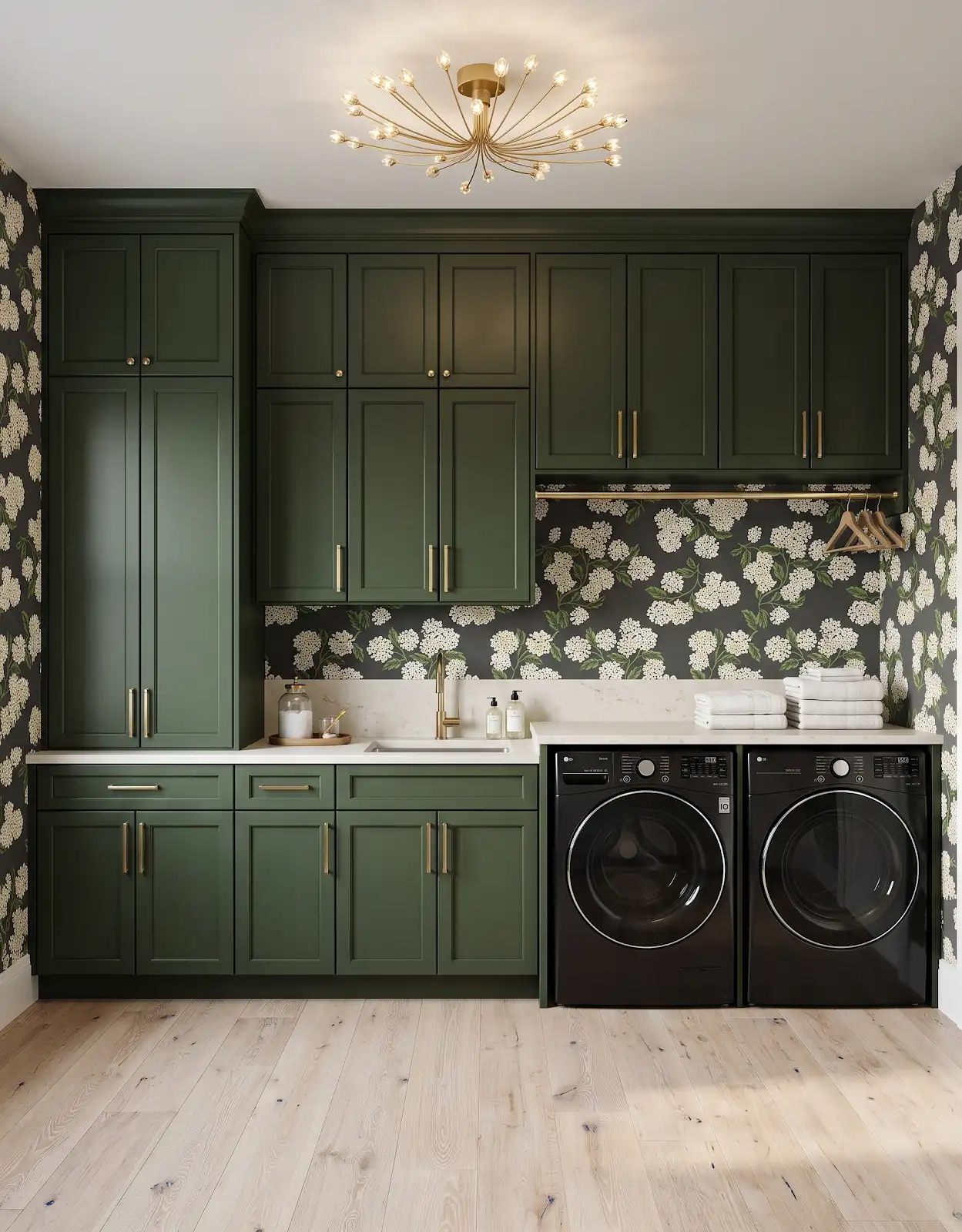
Photograph the window, trim and nearby cabinets or fixtures. Discuss fit, operation and any remaining light around the edges of the proposed installation. Final measurements should be confirmed for the actual product before ordering; a concept image cannot establish that fit.
8. Match operation to the household
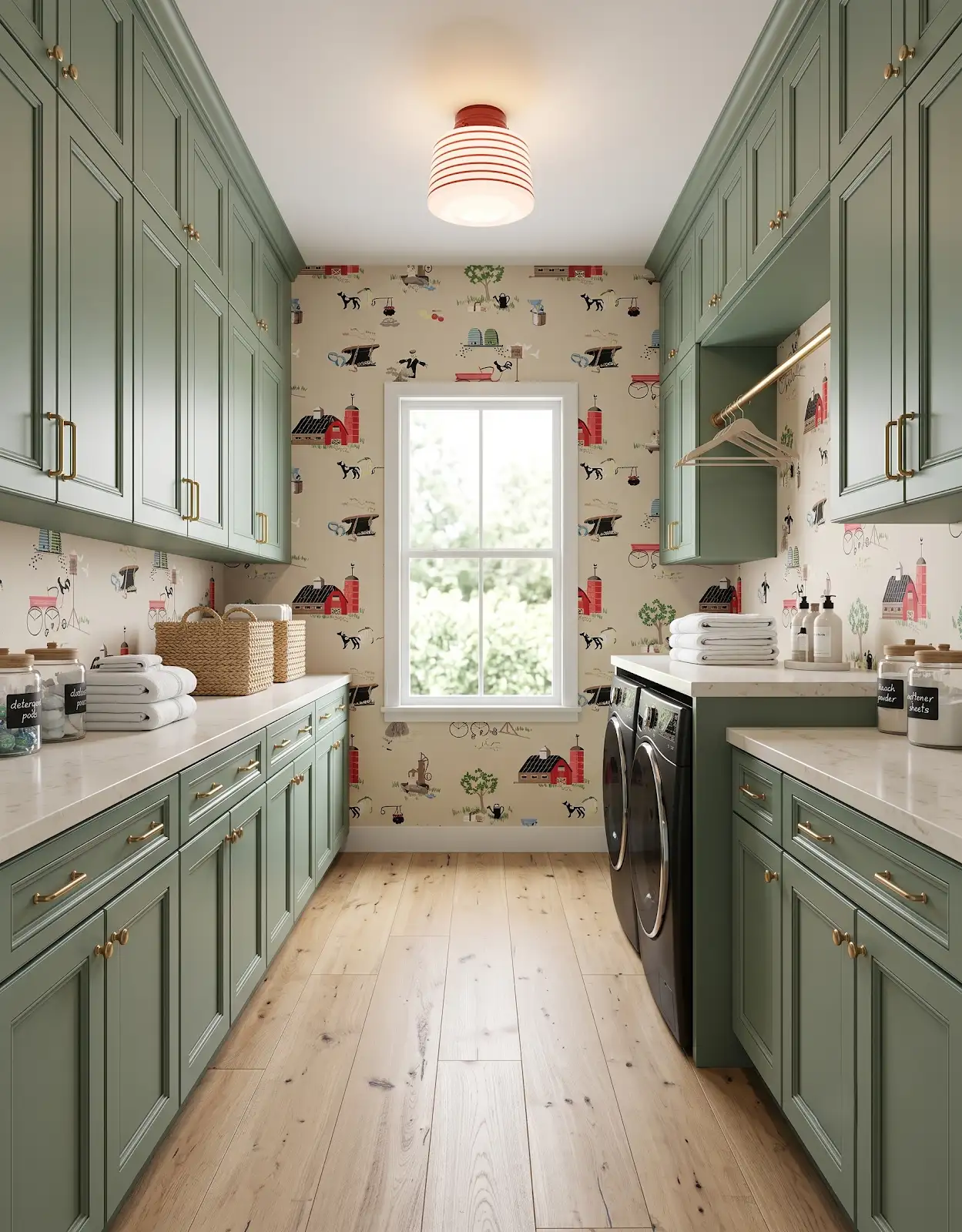
Tell the showroom who will use the covering and whether the window is difficult to reach. Review the available operating options and current product guidance. A treatment is most useful when its everyday operation fits the room and the people living there.
9. Bring a window-by-window list
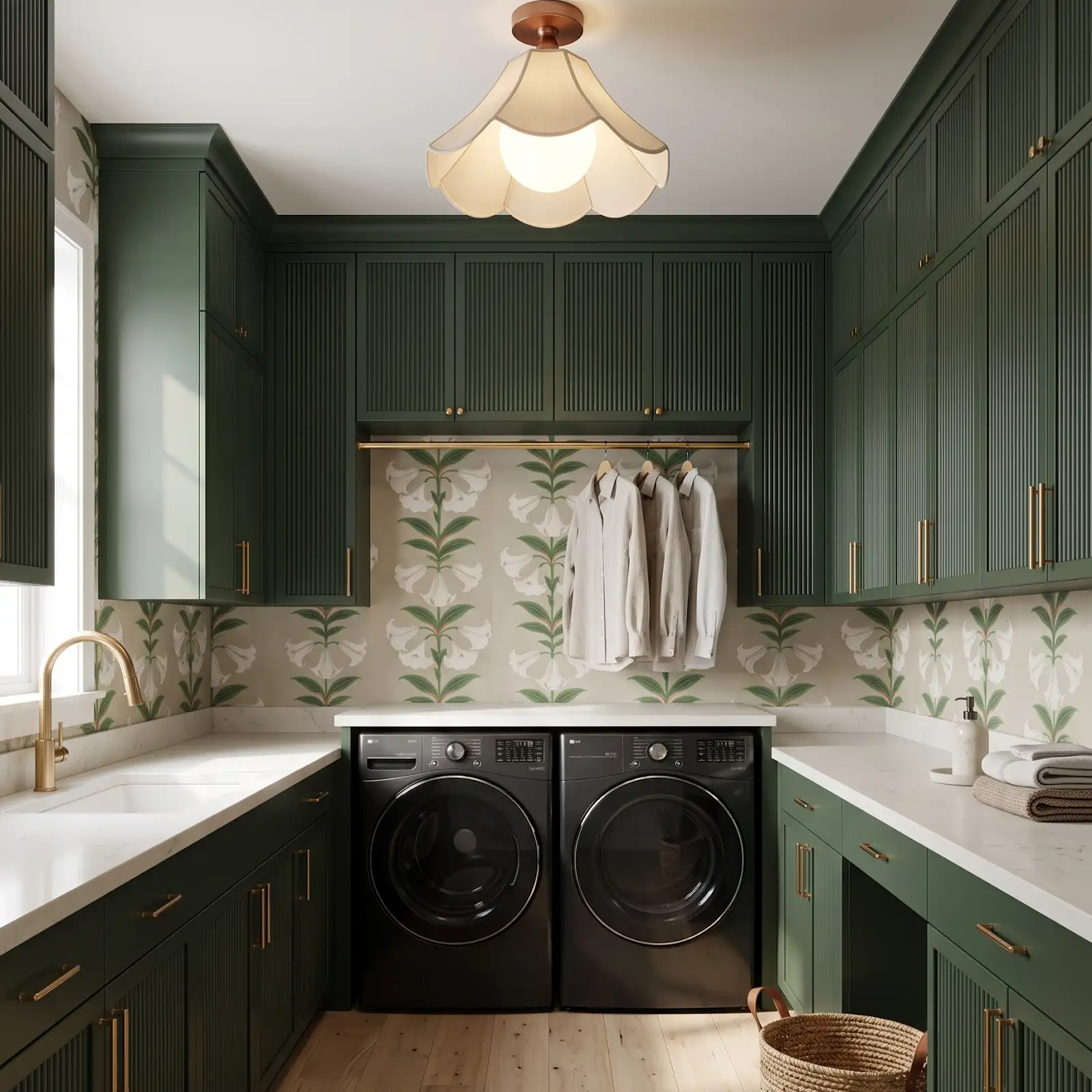
The Design Center can help discuss window-covering choices for your rooms. Bring photos and a short note about sun, privacy and operation for each opening. The uncovered windows in these room concepts illustrate sightlines and light; they do not identify a specific covering for sale.
Compare the options with The Design Center
Browse the relevant guides and official catalogs, then bring your room photos and exact product details to the showroom. We can help coordinate selections and confirm availability, pricing and timing for your project.
Blinds & Window Coverings U.S. Department of Energy: cellular shades All design ideasTHE DESIGN CENTER / OROFINO, IDAHO
Come in with an idea. Leave with a direction.
A favorite color. A cabinet sample. A room that needs a little love. Bring it to the showroom and let’s find the finishes that feel like you.
Step inside the showroomFind us on Johnson Ave.
124 Johnson Ave, Orofino, ID 83544
Monday–Friday · 8am–5pm
Call or text 208-786-0361
Directions & contact details