
Choosing Window Coverings for Privacy and Everyday Light
Plan window coverings room by room, considering views, privacy, glare and operation before choosing colors and finishes.
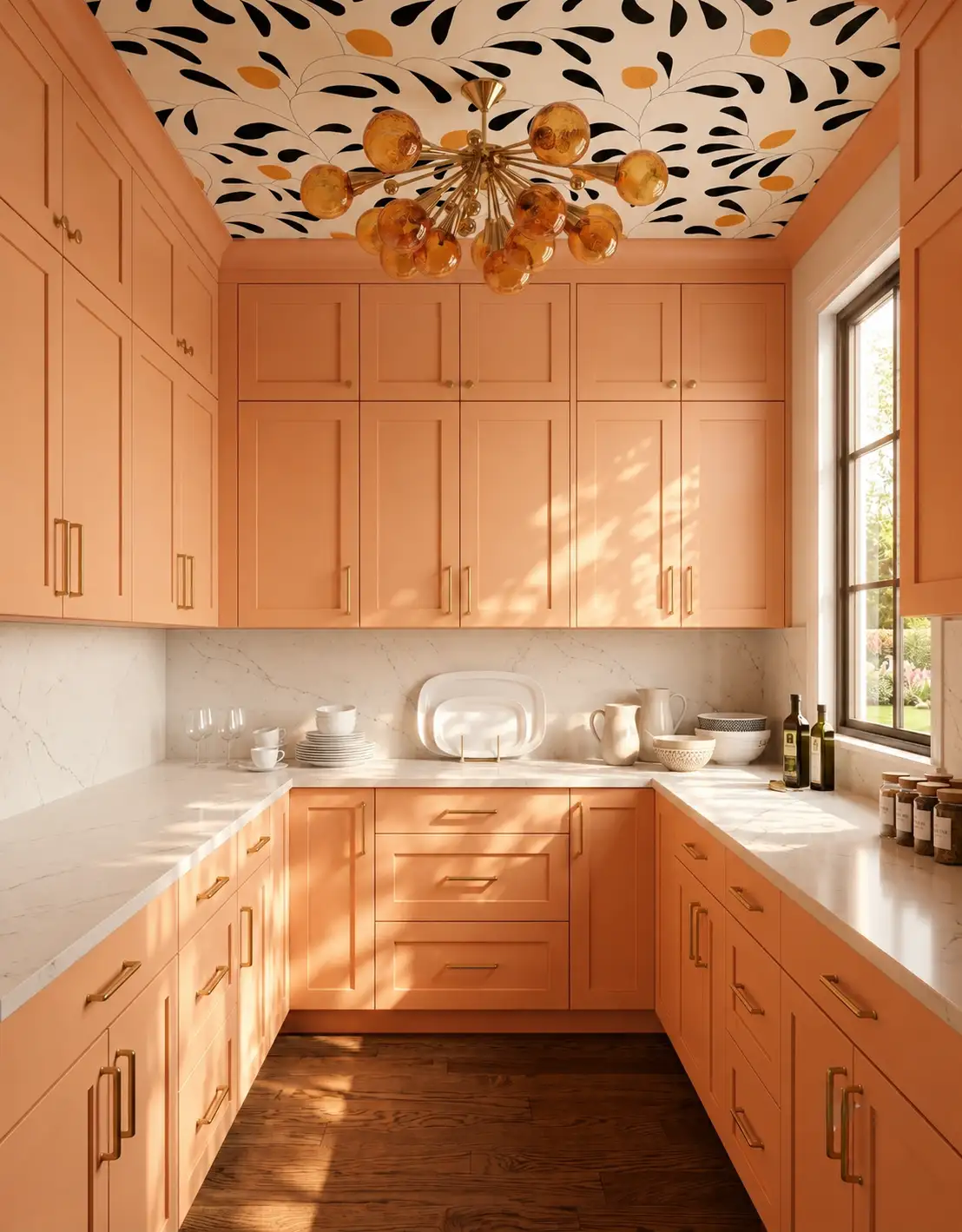
AI-generated design concepts from Anna’s approved inspiration library. Images illustrate color, proportion and finish relationships; they are not completed customer projects or exact manufacturer products. Decorative items and uncovered windows are styling examples, not a product-stock list.
1. Set a purpose for each window
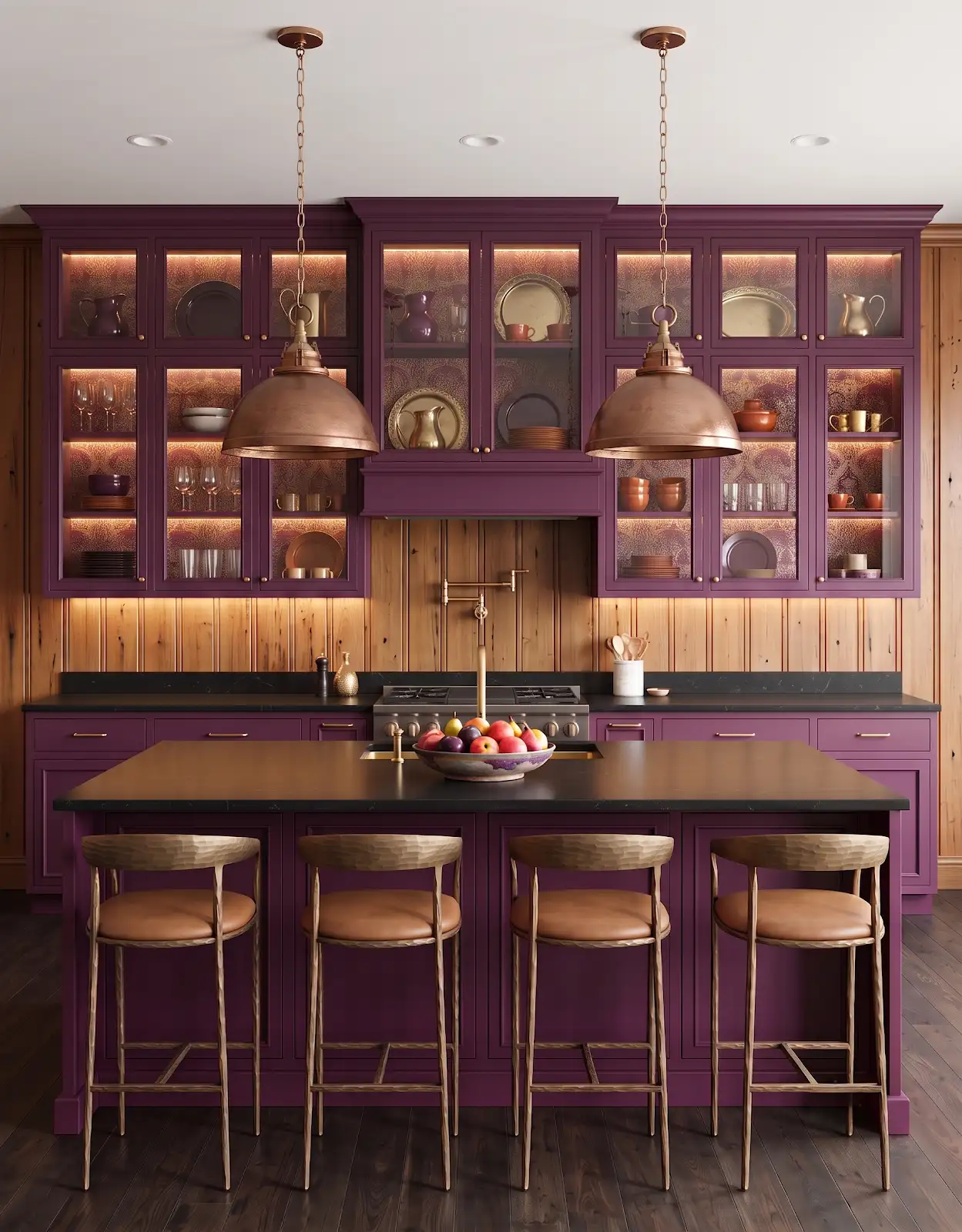
A bedroom, a street-facing living room and a kitchen window rarely need exactly the same treatment. Begin with what you want each window covering to do. Then look for a visual relationship between rooms, rather than assuming one product will solve every situation.
2. Record sun and glare
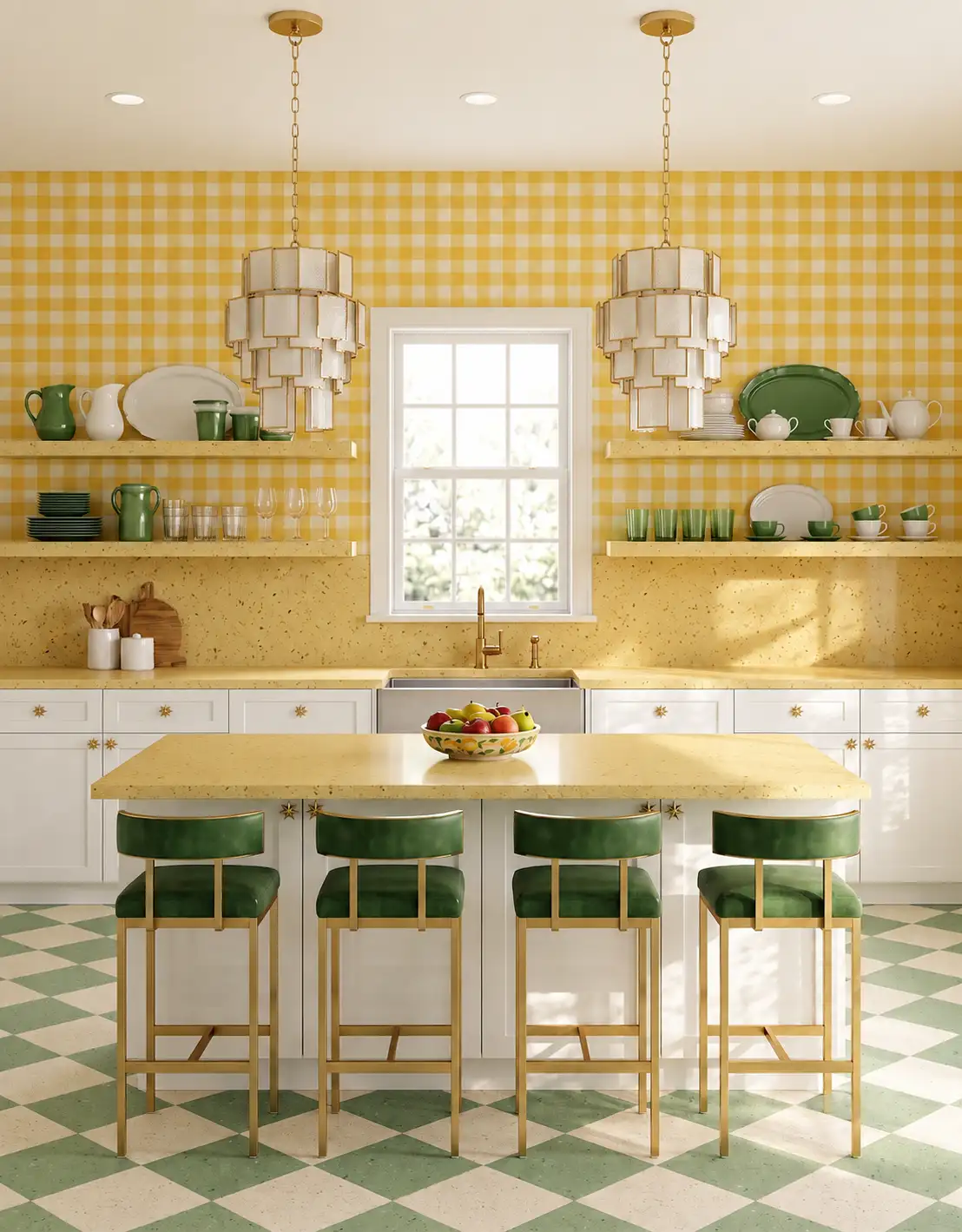
Write down when the sun reaches each window, where you sit and what you want to see outside. Note when glare affects a screen or a favorite chair. A covering you like at midday may need to work differently in the evening when the room is lit from within.
3. Describe privacy sightlines
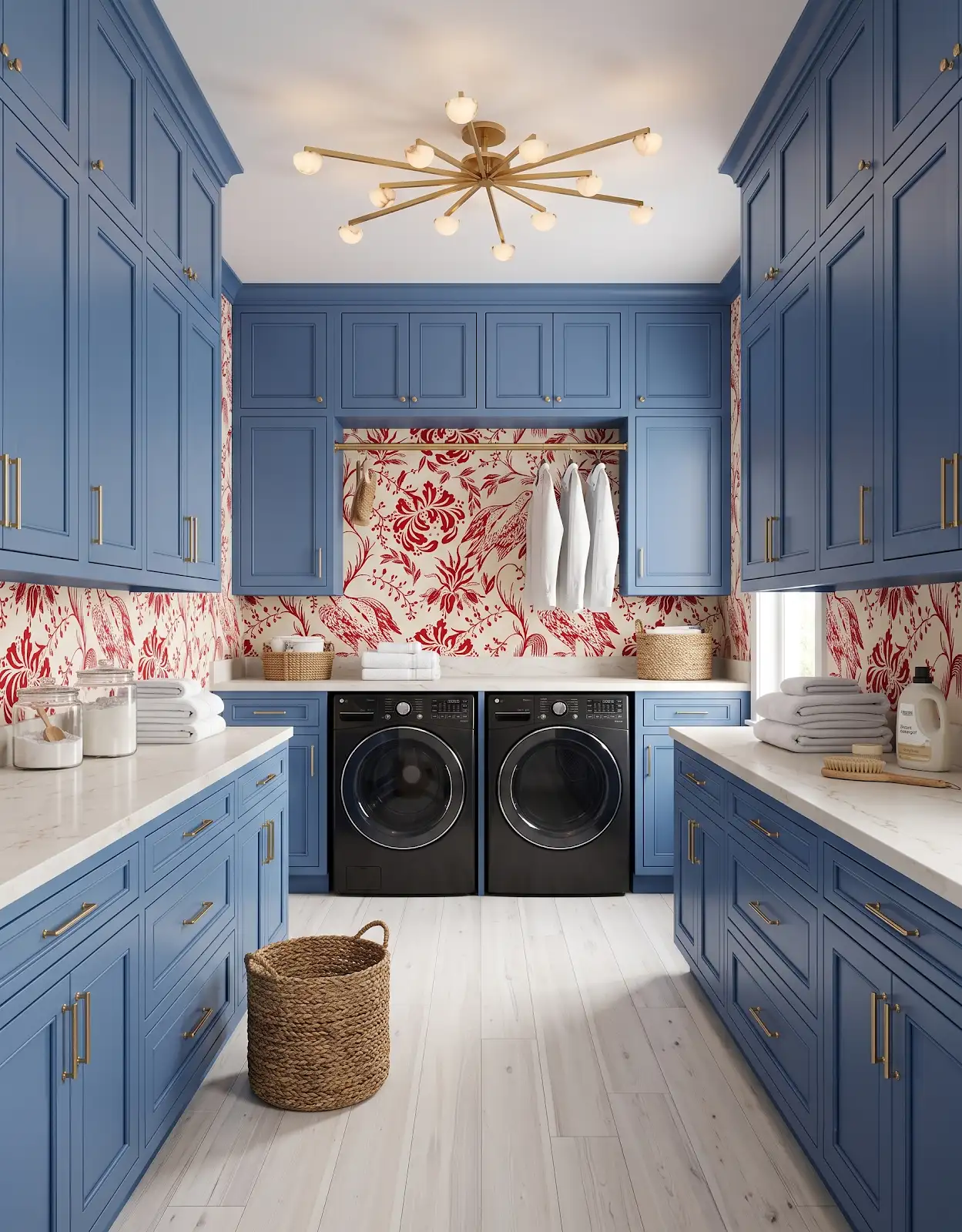
For privacy, describe the actual sightline. Is there a neighboring window, a sidewalk or an open view? Ask how the specific material behaves in daytime and nighttime conditions. Color alone does not tell you how much you can see through a fabric.
4. Separate light-control goals
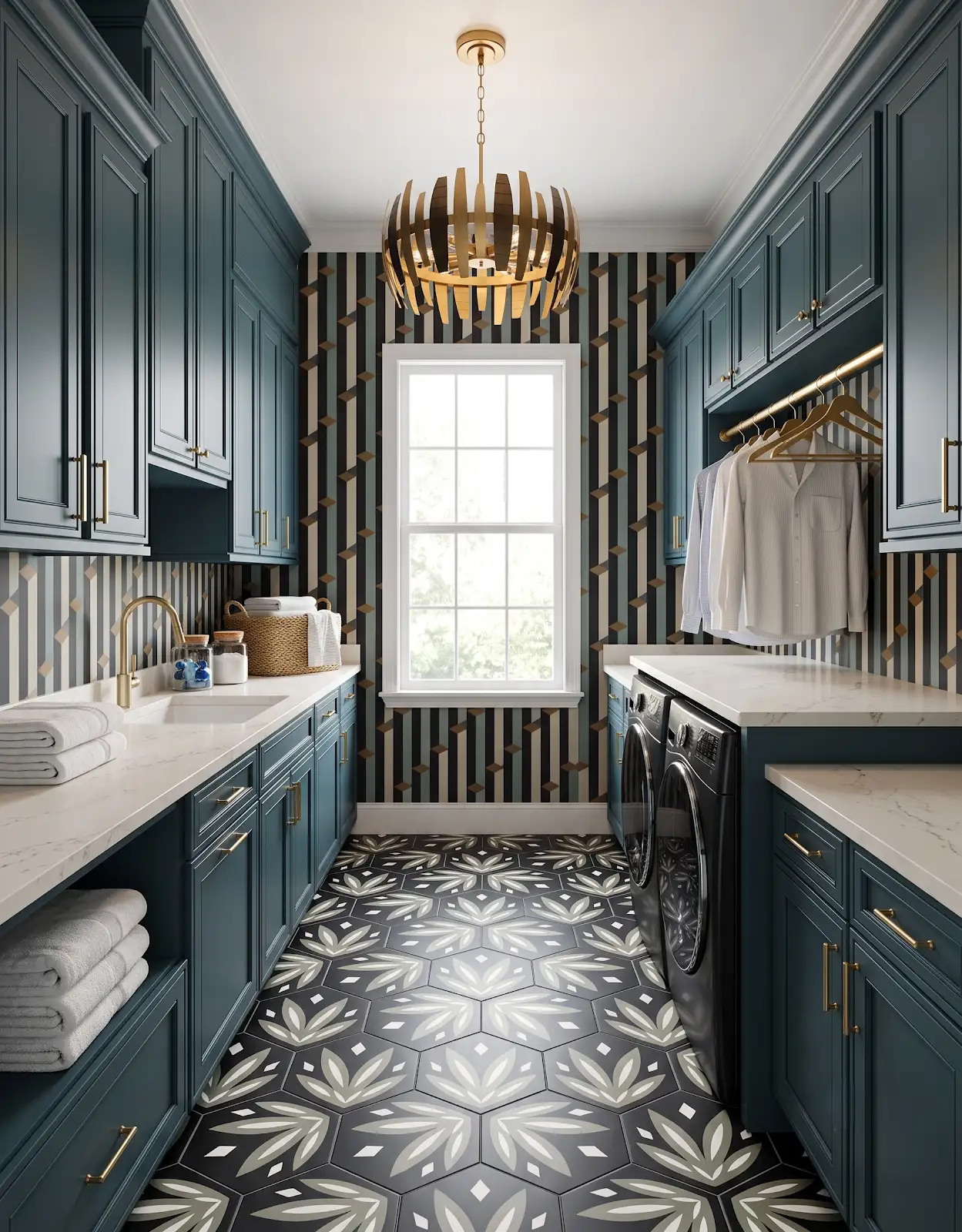
Decide whether the priority is softening light, limiting a view into the room or making a bedroom darker. Those goals overlap, but they are not interchangeable. Review the selected product’s fabric and mounting details instead of relying only on a label such as light filtering or blackout.
5. Ask about edge light
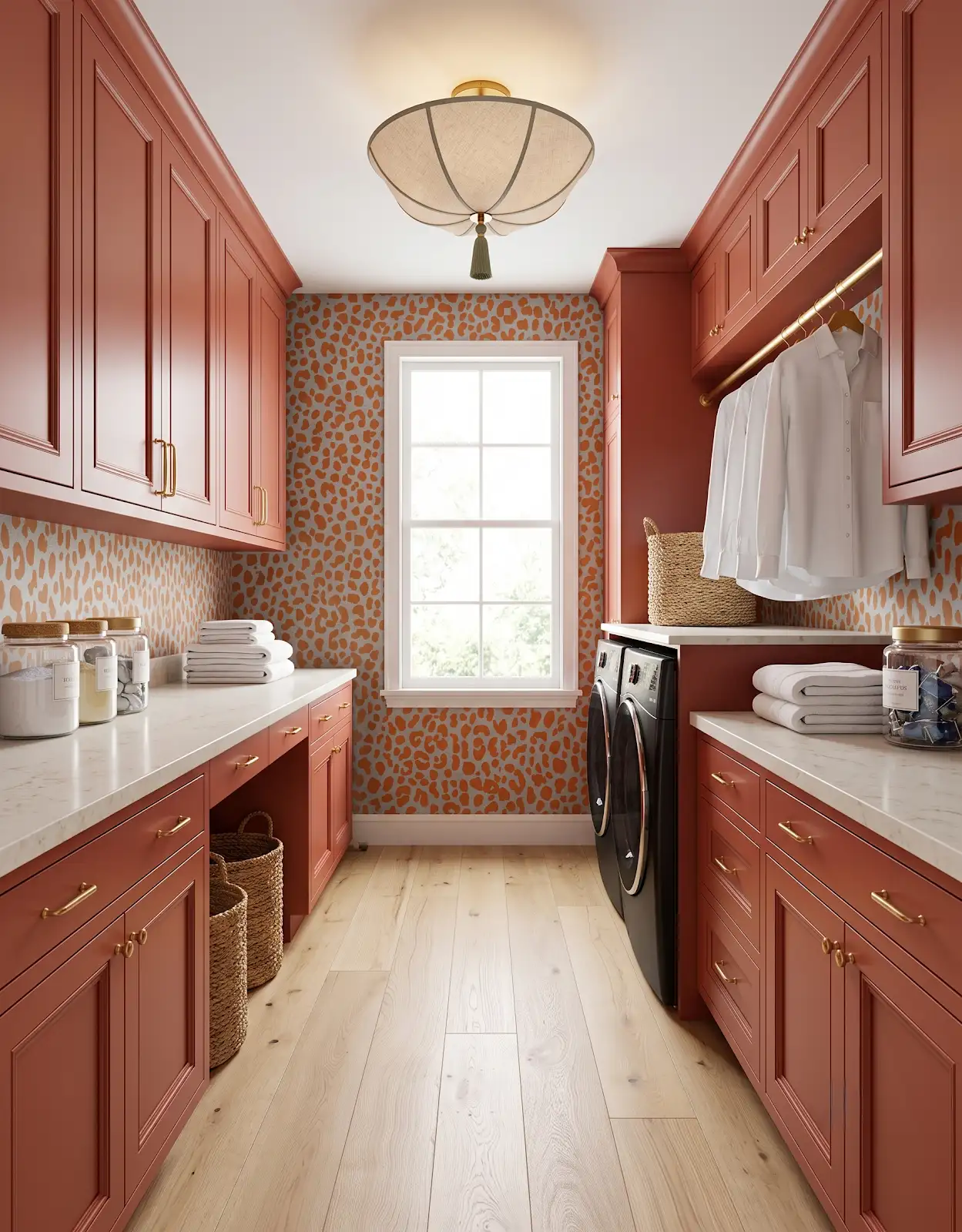
Ask about the light that may remain around the edges of the proposed installation. If the room needs particular light control, discuss that early. It is easier to compare suitable options before settling on a fabric solely because its color matches the bedding.
6. Photograph the whole opening
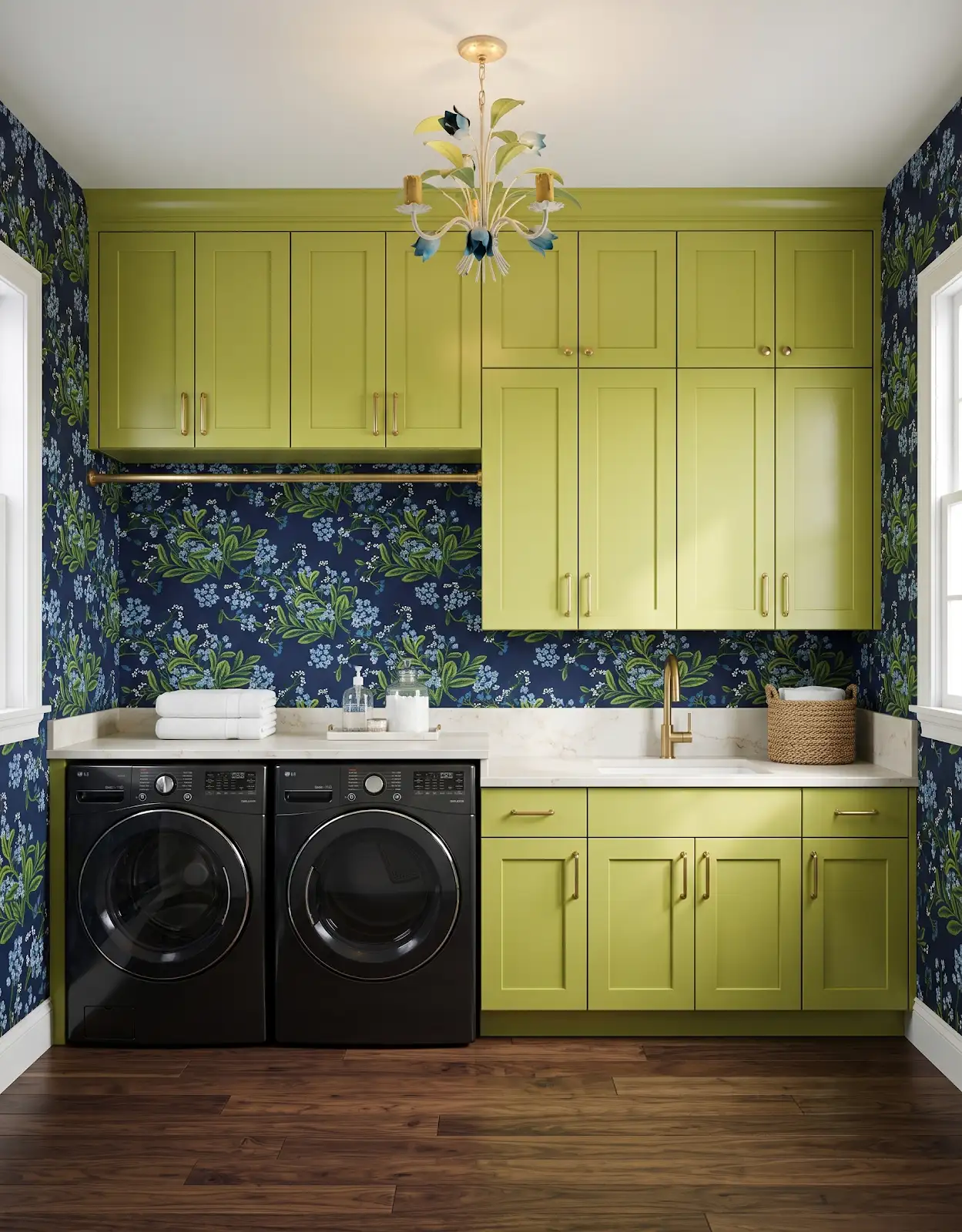
Photograph the window straight on and from the side. Include trim, nearby cabinetry, doors and handles. Note anything that needs to open or move beside the covering. These details help identify questions about placement and operation before a final measurement is arranged.
7. Compare operating options
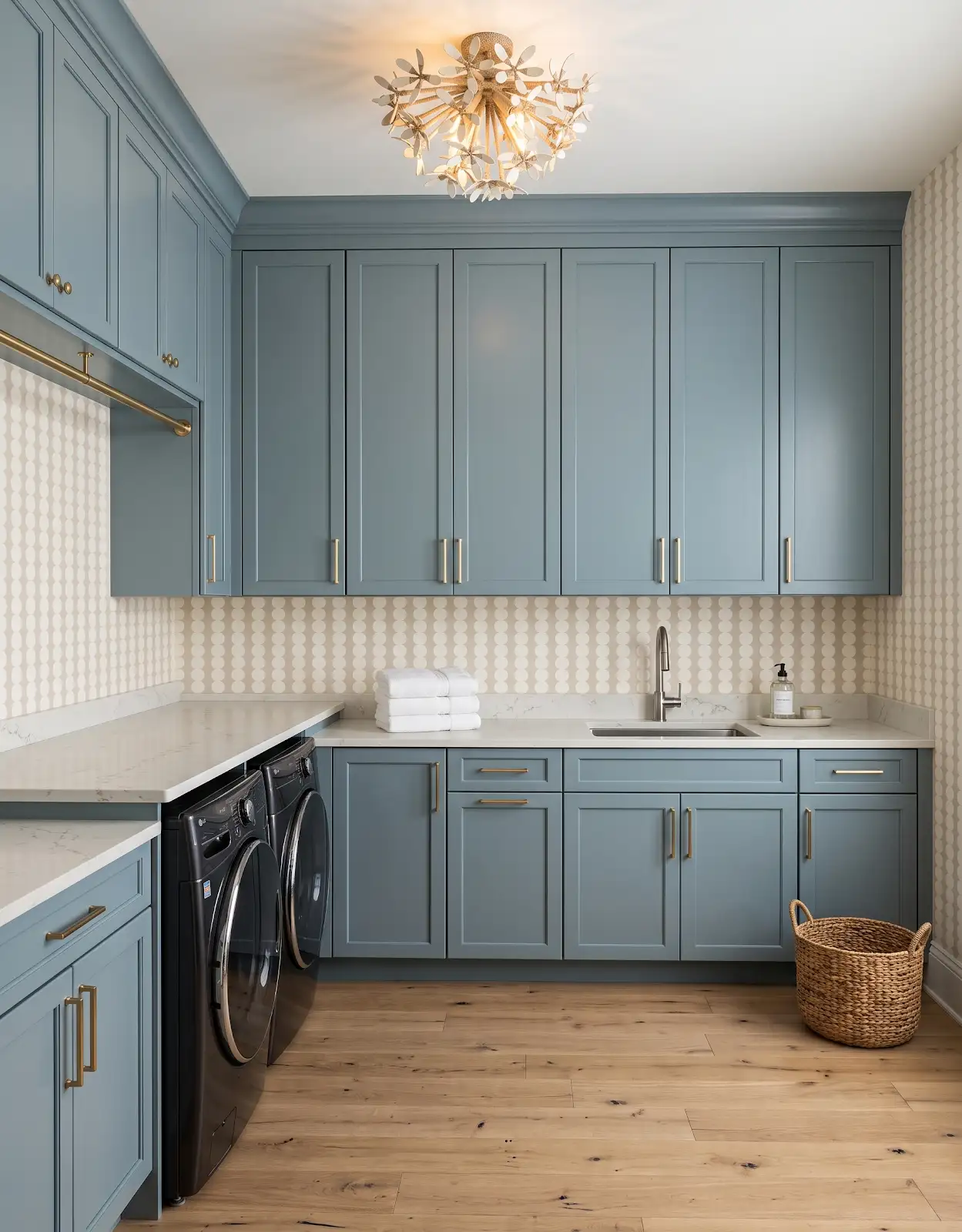
Tell us who will operate the covering and whether the window is easy to reach. Compare the controls available for the particular product and the needs of the household. Have the final mounting and operation details reviewed for your window before ordering.
8. Coordinate adjoining rooms
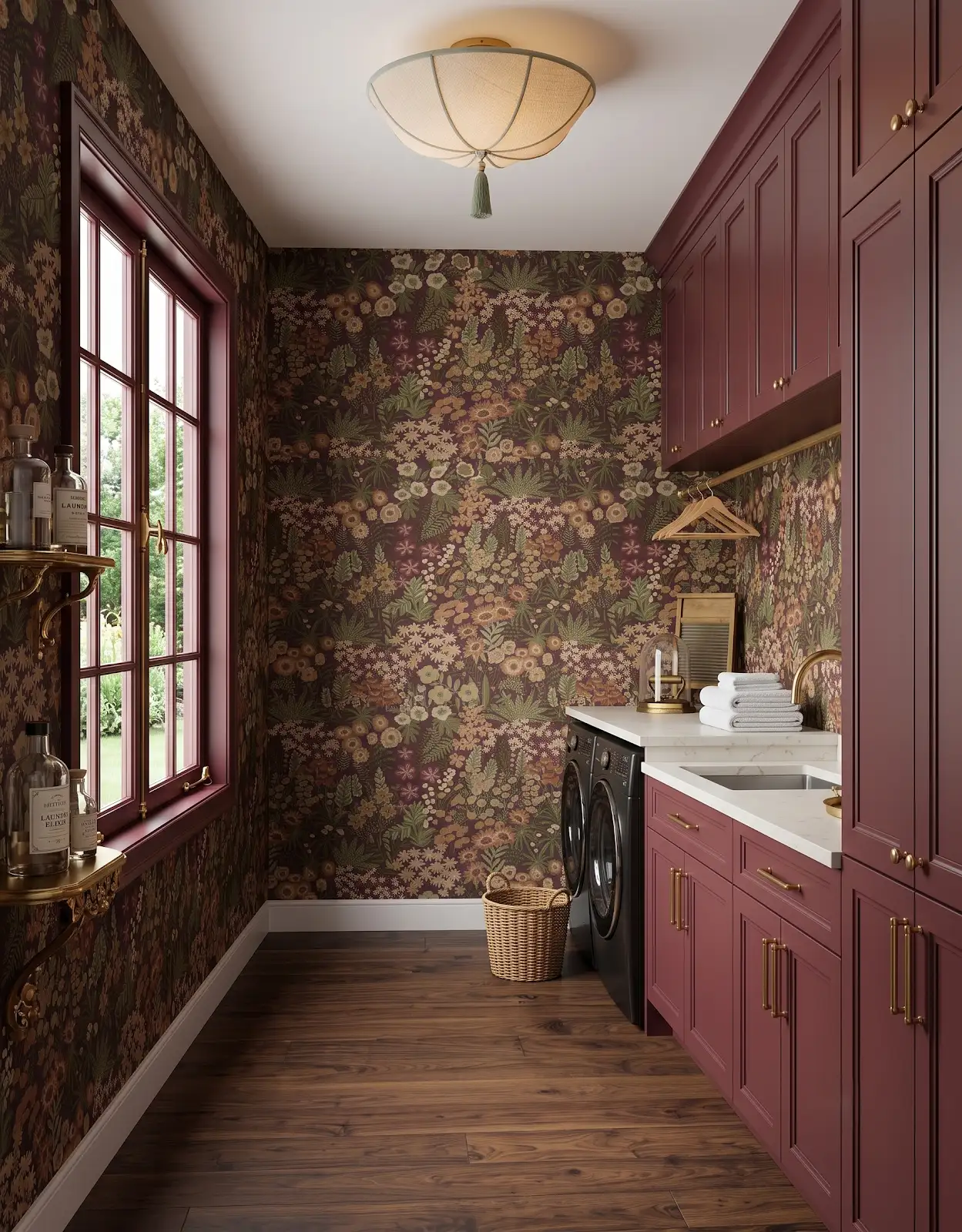
Bring paint and trim colors into the selection, along with any nearby floor or cabinet finish. Consider how the coverings will look from adjoining rooms. A related color direction can create continuity while leaving individual rooms with different light-control choices.
9. Bring a window list
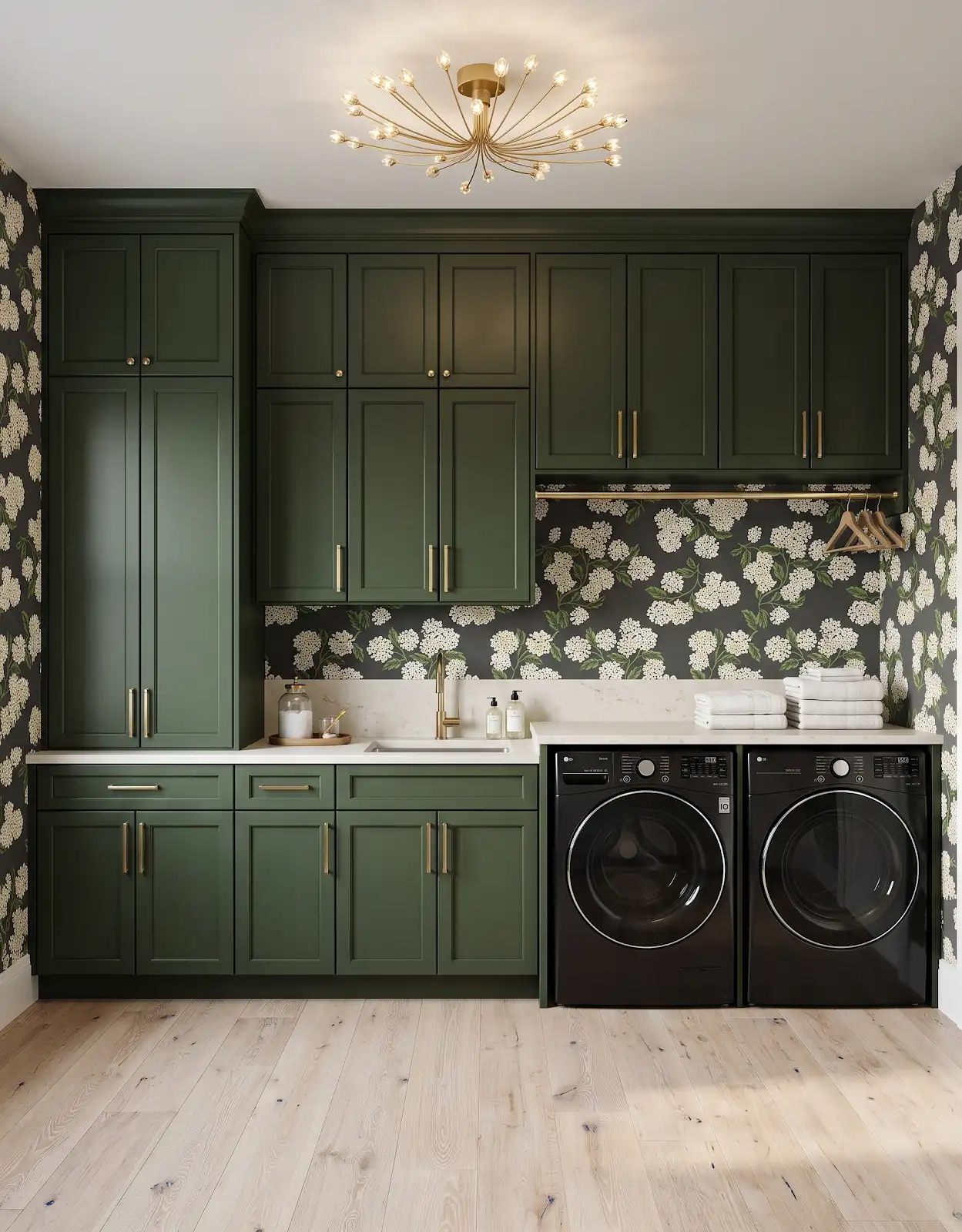
For a visit to The Design Center, make a simple window list with the room name, photos and your main priority for each opening. We can discuss the current selection and the information needed for the next step. Treat preliminary dimensions as planning notes; confirm the final measurements and order details through the agreed process.
Compare the options with The Design Center
Browse the relevant guides and official catalogs, then bring your room photos and exact product details to the showroom. We can help coordinate selections and confirm availability, pricing and timing for your project.
Blinds & Window Coverings All design ideasTHE DESIGN CENTER / OROFINO, IDAHO
Come in with an idea. Leave with a direction.
A favorite color. A cabinet sample. A room that needs a little love. Bring it to the showroom and let’s find the finishes that feel like you.
Step inside the showroomFind us on Johnson Ave.
124 Johnson Ave, Orofino, ID 83544
Monday–Friday · 8am–5pm
Call or text 208-786-0361
Directions & contact details